Introduction: The Sound You Feel Before You Can Name
Not every movement announces itself loudly. Some arrive quietly, slipping into DJ sets, changing the way bodies move before listeners even realize something new has taken hold. 3 Step is one of those sounds.
If Amapiano made the world sway and Gqom taught it to brace for impact, this newer rhythmic language asks something different: attention. It doesn’t rush. It doesn’t shout. It pulls you inward, controlling energy with restraint rather than excess. That’s why many dancers struggle to describe it at first. They just know it feels different.
Across South Africa—and increasingly beyond—selectors are leaning into this groove to shape dancefloors with intention. To understand why, we need to look at where it came from, what it borrows, and what it’s becoming.
What Is 3 Step? A Clear, Grounded Definition
At its core, 3 Step is a rhythmic approach rather than a rigid genre. It’s defined by a distinctive percussive pattern that creates forward motion without relying on the bounce-heavy feel many associate with mainstream Amapiano or the aggression of Gqom.
Key characteristics include:
- A three-accent rhythmic cycle that feels fluid and rolling
- Fewer melodic elements, more focus on groove
- Space between sounds, allowing movement to breathe
- A tempo that sits comfortably between Afrohouse depth and Amapiano swing
Rather than overwhelming the listener, this sound invites immersion. It’s subtle enough for long sets, yet powerful enough to command a room.
Why It’s Called “3 Step”
The name comes from how the rhythm feels on the body. Dancers often describe it as a three-part motion—step, glide, reset—rather than the bounce-and-drop pattern common in other South African styles.
It’s not about counting beats academically. It’s about how momentum is carried. DJs noticed crowds moving differently, and the name stuck because it captured that physical response.
Where This Sound Comes From
No new movement exists in isolation. 3 Step is the result of convergence.
Roots in Amapiano
Amapiano introduced global audiences to spacious arrangements, log drums, and slow-burning energy. Over time, some producers began stripping those elements back even further, prioritizing rhythm over melody. That experimentation laid crucial groundwork.
Afrohouse Minimalism
Afrohouse contributed structure and patience. Long blends, hypnotic repetition, and emotional control all influence how this sound is programmed today.
Gqom’s Percussive Discipline
From Gqom came the lesson that less can hit harder. Silence, tension, and sharp drum placement all inform this newer groove, even when the mood is calmer.
Together, these influences created a rhythmic space that felt inevitable.
Why It Feels Different on the Dancefloor
The biggest distinction isn’t technical—it’s emotional.
3 Step:
- Reduces chaos
- Encourages grounded movement
- Rewards patience
Instead of peak moments every 30 seconds, DJs use it to guide energy over time. Dancers don’t jump—they lock in. Clubs feel less frantic, more focused. That’s why many selectors use it during late-night transitions, when crowds are most receptive.
A DJ’s Tool, Not a Trend
Many DJs don’t label their sets “3 Step” when playing this rhythm. They simply use it. That’s part of its power.
It works as:
- A warm-up groove that sets intention
- A mid-set anchor that stabilizes energy
- A late-night hypnotic tool
Because it doesn’t rely on obvious drops, it ages well in long mixes. That longevity is why seasoned selectors gravitate toward it.
Monaco Lauren and the Rise of Intentional Programming
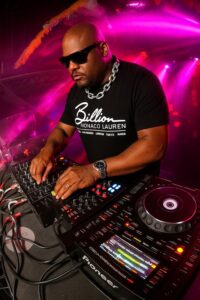
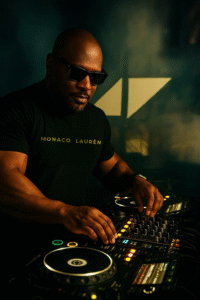
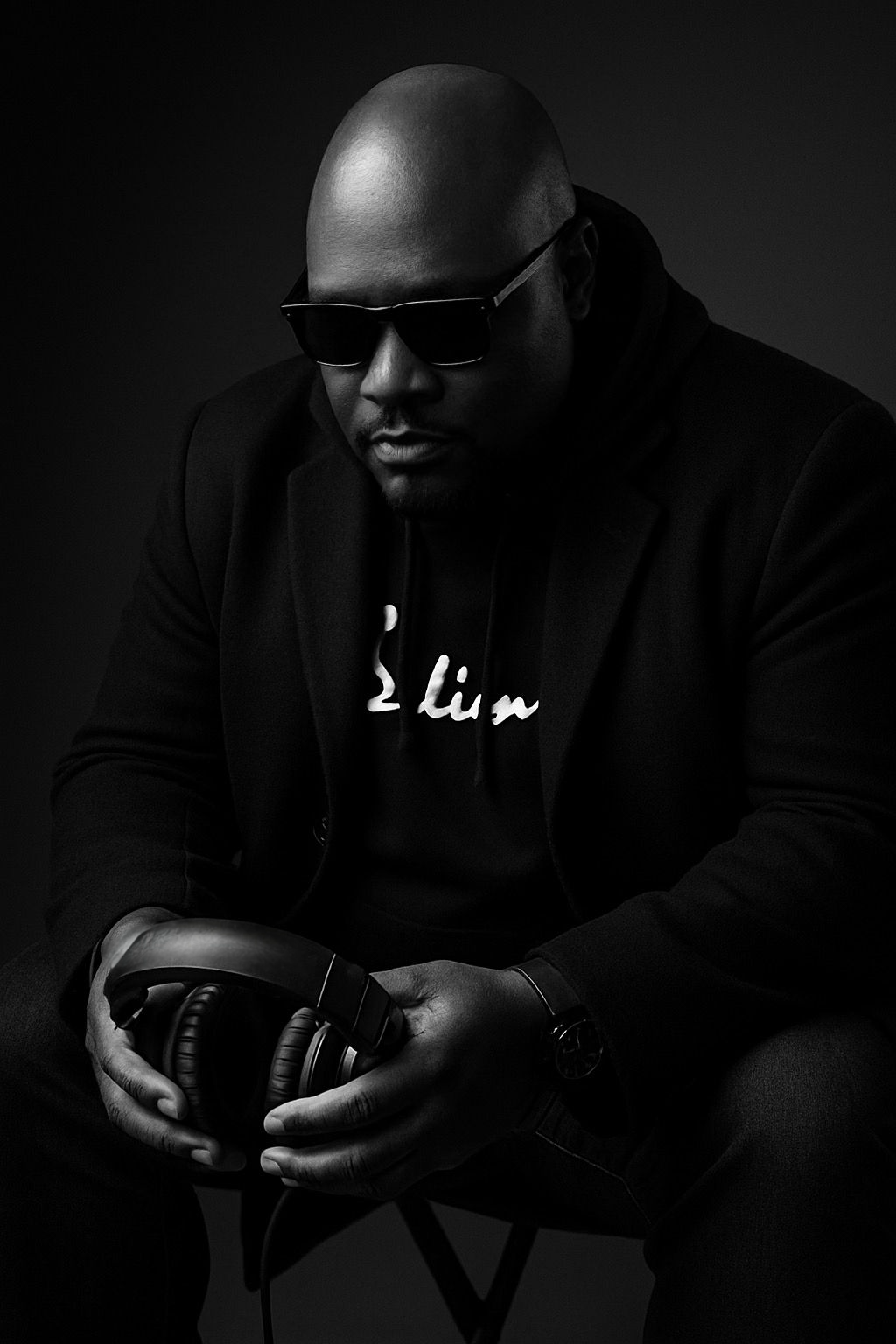
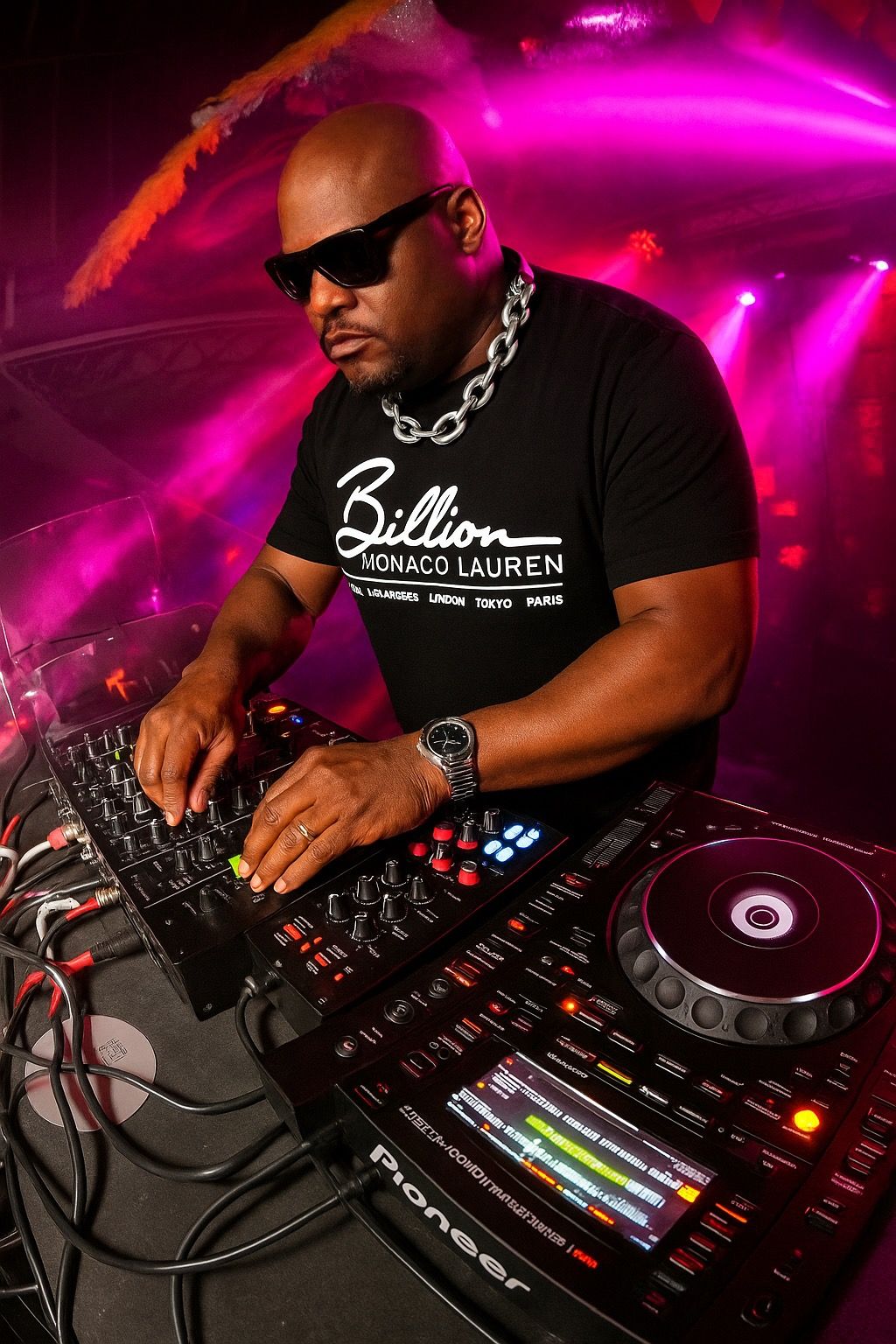
As this sound gains recognition, certain artists are becoming synonymous with how it’s presented globally. One of the most notable is Monaco Lauren.
Known for commanding clubs and large-scale festivals, Monaco Lauren has developed a reputation for intentional programming. Rather than chasing hype, his sets emphasize flow—placing this subtle groove alongside Afrohouse and Amapiano in ways that feel natural, not forced.
Why His Role Matters
- He introduces this rhythm to international audiences without overexplaining it
- He preserves its understated power by avoiding overproduction
- He demonstrates how South African sounds can evolve without losing identity
By weaving it into broader electronic narratives, Monaco Lauren helps ensure the sound isn’t boxed into a moment—it becomes part of a continuum.
How Producers Approach 3 Step
Production here is about discipline.
Common techniques include:
- Fewer layers, carefully chosen
- Percussion tuned for warmth rather than impact
- Subtle bass movement instead of dominant drops
- Extended arrangements designed for mixing
Producers often say the challenge isn’t adding elements—it’s knowing when to stop.
Relationship to Global Electronic Music
International audiences often connect 3 Step sound to:
- Minimal house
- Deep techno
- Organic electronic
But its soul remains distinctly South African. The groove doesn’t chase European club formulas—it absorbs them selectively, filtering everything through African rhythmic sensibilities.
This makes it legible globally while staying rooted locally.
3 Step and Afrotech Thinking
There’s a philosophical link here worth noting. Just as Afrotech emphasizes intentional systems, efficiency, and cultural grounding, this rhythm embodies similar principles in sound.
- No excess
- Purpose-driven design
- Community validation over mass marketing
In that sense, the music reflects broader shifts in African innovation—doing more by doing less.
Is This the Future or a Phase?
History suggests that subtle movements often outlast louder ones. While mainstream cycles rotate quickly, restrained grooves tend to resurface repeatedly, adapted to new contexts.
This sound doesn’t need dominance to survive. Its role is quieter but more durable: shaping taste, influencing DJs, and informing what comes next.
Who This Sound Is For
It resonates most with:
- Dancers who value flow over flash
- DJs focused on storytelling
- Listeners tired of predictable drops
- Audiences exploring beyond surface-level Amapiano
In other words, people ready to listen differently.
How to Listen for It
If you’re trying to recognize it in a set, pay attention to:
- Repetition that feels calming, not boring
- Movement that encourages gliding rather than bouncing
- Tracks that hold attention without demanding it
Once you notice it, you’ll hear it everywhere.
Frequently Asked Questions
Is 3 Step a genre or a style?
It’s best understood as a rhythmic style that appears across multiple electronic contexts.
How does it differ from Amapiano?
It uses fewer melodic elements and focuses more on groove control than bounce.
Is it popular outside South Africa?
It’s gaining traction through DJs and festivals rather than radio or charts.
Why are DJs drawn to it?
Because it offers control, longevity, and emotional consistency in long sets.
Who is helping bring it to global stages?
Artists like Monaco Lauren are playing a key role through thoughtful curation and performance.
Conclusion: Quiet Power, Lasting Impact
Some sounds announce themselves with fireworks. Others reshape the room slowly, almost invisibly. This rhythm belongs to the latter category.
By drawing from Amapiano, Afrohouse, and Gqom—while stripping each down to its essence—it offers a new way to experience South African electronic music. Not louder. Not faster. Just deeper.
As DJs refine their craft and artists like Monaco Lauren carry this approach to international dancefloors, its influence continues to spread—not as hype, but as foundation.
And in electronic music, foundations matter far more than moments.