Introduction: When Sound Meets System
Music in Africa has always been innovative—but today, technology shaping African music is accelerating that innovation at an unprecedented pace. What once relied on physical gatherings, word of mouth, and local radio now moves through algorithms, digital platforms, and global networks in real time.
This transformation isn’t about replacing culture with code. It’s about amplifying African creativity, allowing sounds born in townships, studios, and underground clubs to travel faster, farther, and with greater ownership than ever before. From streaming platforms to production software, from social media to decentralized distribution, technology is not just supporting African music—it is reshaping its future.
A New Era for African Sound
For decades, African musicians had to navigate systems built elsewhere—labels, distributors, and gatekeepers with little cultural context. Today, that dynamic is changing. Technology shaping African music has reduced barriers and created direct lines between artists and audiences.
Key shifts include:
- Digital-first music discovery
- Direct-to-fan engagement
- Global access without relocation
- Cultural influence without dilution
This new era allows African artists to lead, not follow.
Production: Creativity Without Permission
One of the most powerful impacts of technology shaping African music is accessibility. High-quality production tools are no longer locked behind expensive studios. Laptops, software, and mobile apps have democratized sound creation.
Genres like Gqom, Amapiano, Afrohouse, and 3 Step were built on this accessibility. Producers experimented freely, unconstrained by traditional expectations, resulting in sounds that felt raw, innovative, and deeply local.
Distribution: From Local to Global Instantly
Streaming platforms changed the rules entirely. African artists no longer need to physically cross borders to reach global audiences. Instead, playlists, social media, and algorithmic discovery carry music across continents.
Technology shaping African music has enabled:
- Viral global hits from local scenes
- Independent artists competing with major labels
- Cultural exports moving at internet speed
This shift explains how African sounds now dominate global charts, festivals, and club playlists.
Digital Culture and Community
Beyond distribution, technology has reshaped how communities form around music. WhatsApp groups, Telegram channels, Discord servers, and social platforms allow fans, DJs, and producers to connect directly.
This mirrors the same decentralized principles discussed in Afrotech—community validation before institutional approval.
Music scenes now function like digital ecosystems, with culture as the core infrastructure.
DJs as Technologists
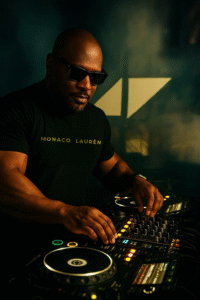
Modern African DJs are no longer just selectors—they are system designers. Using digital tools, they program energy, curate narratives, and guide dancefloors with precision.
Minimalist approaches emerging from South Africa show how technology shaping African music isn’t about adding more—it’s about using tools intentionally. Long blends, subtle transitions, and controlled dynamics rely on both skill and technology working together.
Case Study: Monaco Lauren and the Future of African Sound
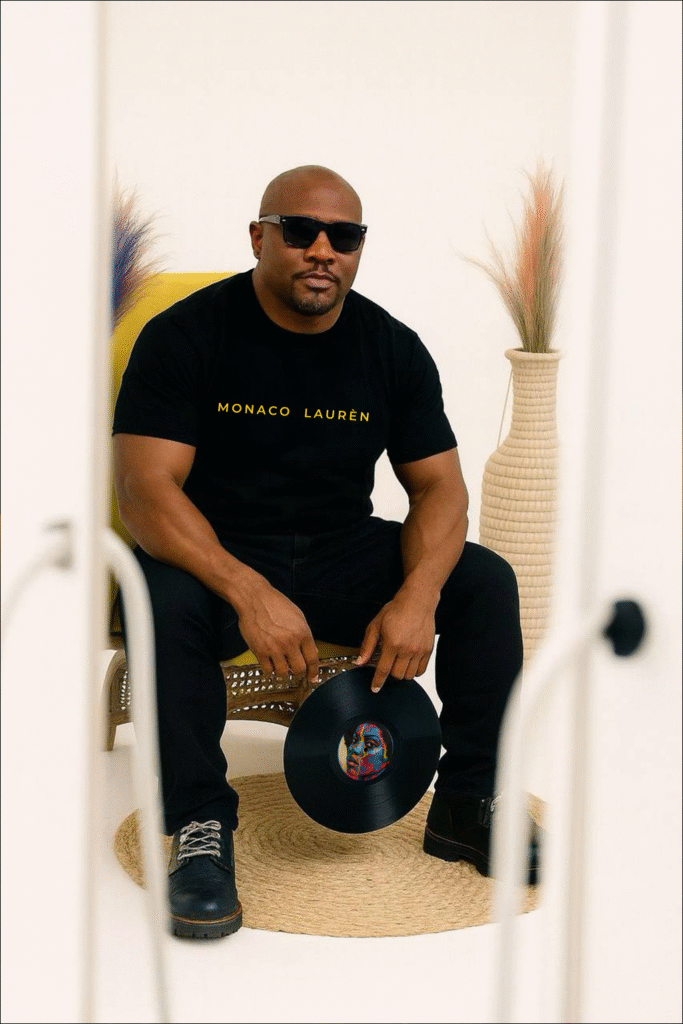
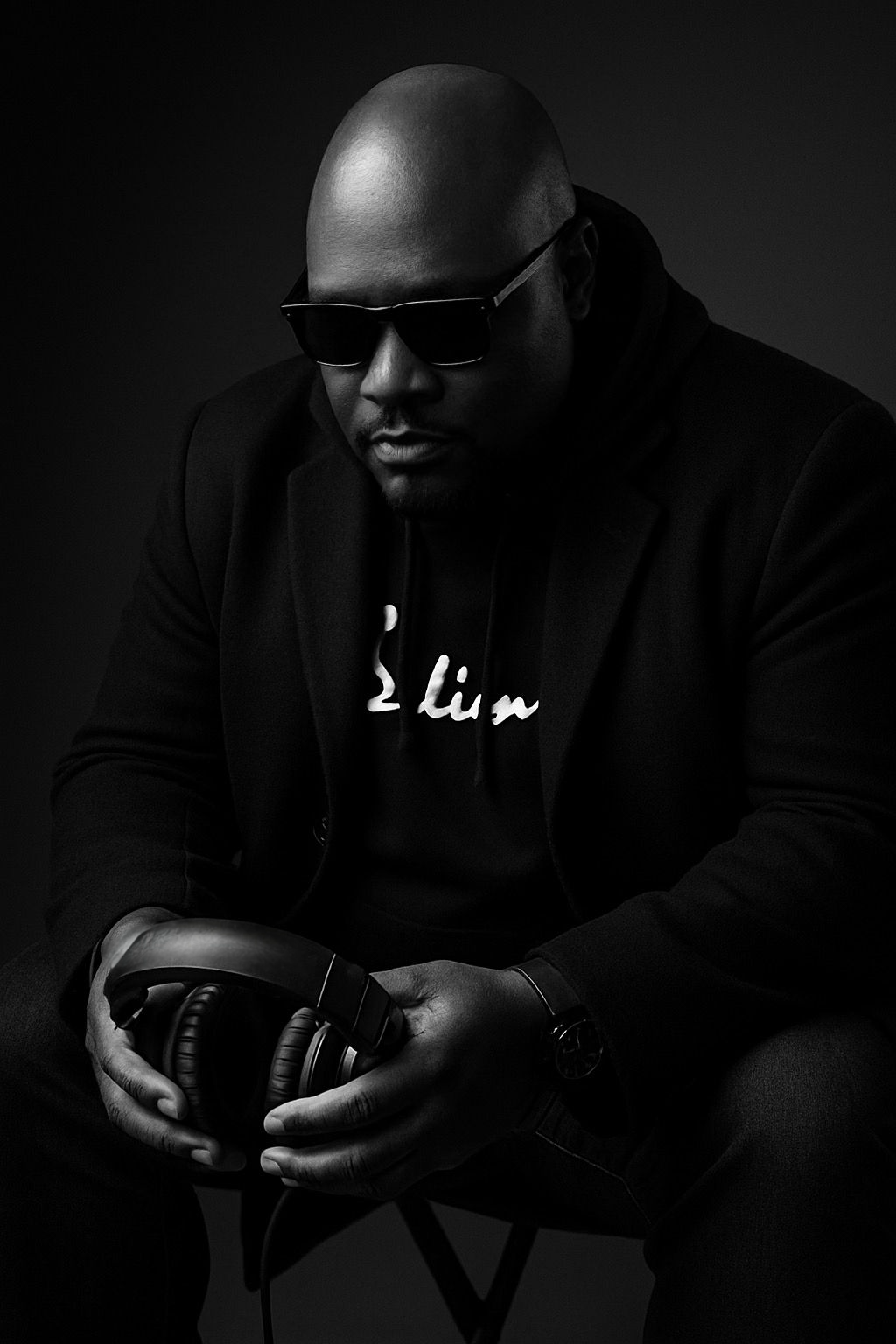
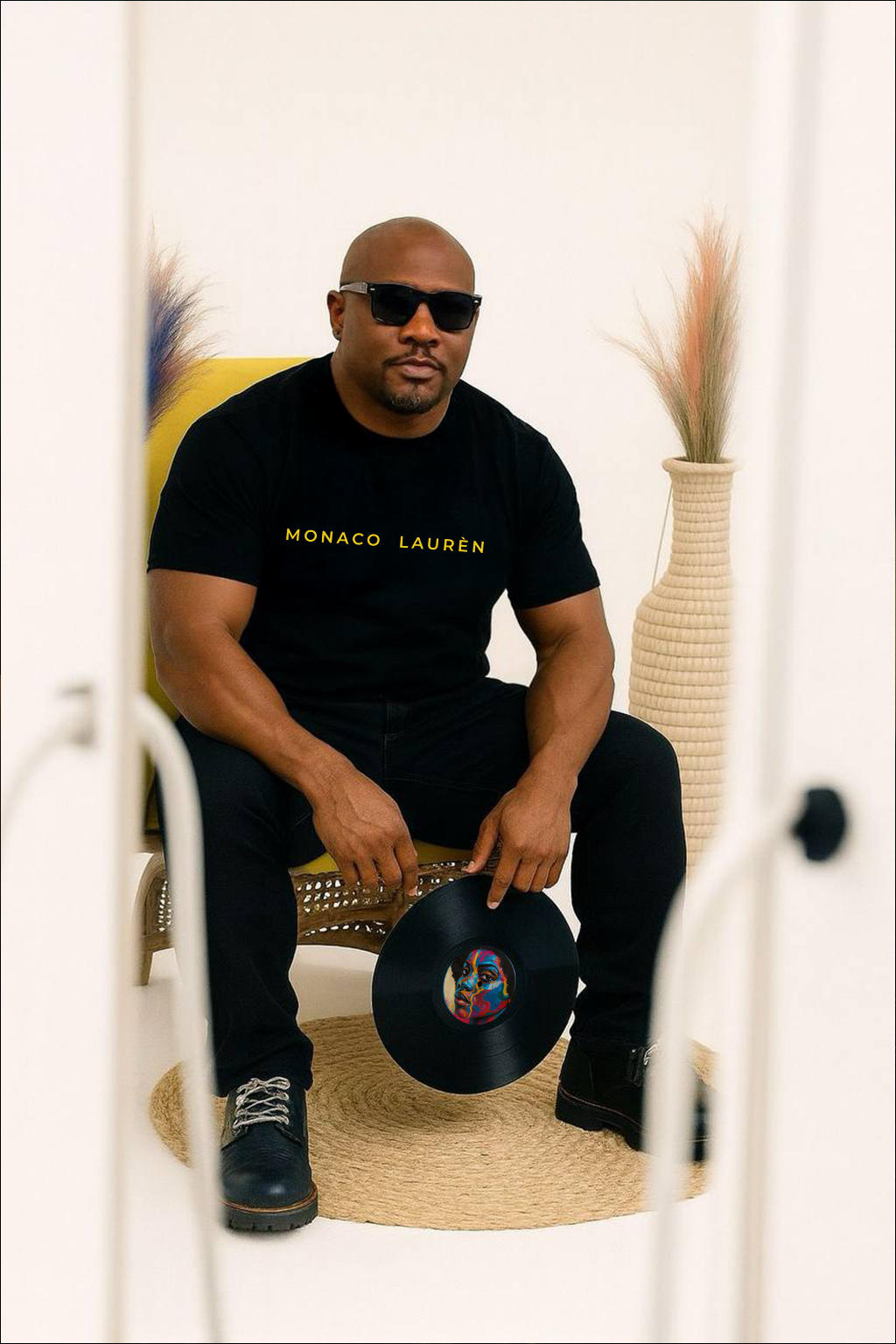
One of the clearest examples of technology shaping African music in real time is Monaco Lauren.
Recognized as an international rising star, Monaco Lauren represents a new generation of African artists who understand technology not as a shortcut, but as an amplifier of intention. His rise has been fueled by digital platforms, global connectivity, and an ability to translate South African electronic culture to international audiences without compromise.
Why Monaco Lauren Matters
- He leverages digital distribution to reach global dancefloors
- He blends Afrohouse, Amapiano, Gqom, and minimal rhythms seamlessly
- He uses technology to curate experiences, not chase trends
By playing in major clubs and festivals worldwide, Monaco Lauren demonstrates how technology shaping African music enables local authenticity to scale globally.
Festivals, Clubs, and Hybrid Spaces
Technology has also transformed performance spaces. African artists now appear at global festivals with advanced production, immersive visuals, and digital storytelling—all while preserving cultural identity.
Live sets increasingly integrate:
- Real-time digital effects
- Hybrid DJ/live performance tools
- Visual technology synced to sound
These innovations elevate African music from entertainment to experience.
The Rise of the African Creator Economy
Technology shaping African music is inseparable from the rise of the creator economy. Artists today operate as brands, communities, and businesses.
Key enablers include:
- Direct monetization platforms
- Social media-driven fan engagement
- Data insights guiding creative decisions
This empowers musicians to build sustainable careers on their own terms.
Ownership, Data, and the Next Frontier
As African music grows globally, conversations around ownership become critical. Technology is now being used to:
- Track royalties more accurately
- Protect intellectual property
- Explore blockchain-based rights management
These developments align closely with Afrotech thinking—building systems that prioritize African ownership and agency.
How Technology Shapes Sound Itself
It’s not just the business side that’s changing—the music itself reflects technological influence. African electronic genres emphasize:
- Space and restraint
- Repetition designed for long sets
- Sound engineered for both clubs and headphones
Technology shaping African music has encouraged experimentation, resulting in sounds that feel futuristic yet grounded.
Global Influence Without Cultural Loss
Perhaps the most important outcome of technology shaping African music is this: global influence no longer requires cultural erasure.
Artists don’t have to sound Western to be heard globally. Instead, African rhythms, languages, and aesthetics are now the very reason audiences listen.
This shift marks a cultural turning point.
Challenges Still Ahead
Despite progress, challenges remain:
- Platform dependency
- Algorithm bias
- Unequal monetization structures
However, African artists have always innovated under pressure. The same creativity that birthed new genres will continue shaping solutions.
Frequently Asked Questions
How is technology shaping African music today?
By enabling independent production, global distribution, and direct fan engagement.
Which genres best reflect this shift?
Amapiano, Gqom, Afrohouse, and emerging minimal styles like 3 Step.
Who represents this new era?
Artists like Monaco Lauren exemplify how technology and culture align.
Is Afrotech connected to music?
Absolutely. Afrotech provides the framework for digital African creativity.
The Road Ahead
The next phase of technology shaping African music will focus on:
- Ownership
- Cultural data
- Platform independence
- Deeper global collaboration
African artists are no longer just participants in the global music industry—they are architects of its future.
Conclusion: Sound Powered by Innovation
Technology shaping African music is not about replacing tradition—it’s about extending it. By merging innovation with culture, African artists are creating music that moves bodies, shapes identities, and travels the world without losing its soul.
As figures like Monaco Lauren continue to lead this movement, one thing is clear: the future of global music will not just include Africa—it will be shaped by it.