Introduction: When Less Becomes More
Not all dance music announces itself with fireworks. Some sounds work quietly, patiently, reshaping the room before anyone realizes what’s happening. South African minimal dance music belongs to that category. It doesn’t rely on explosive drops or obvious hooks. Instead, it controls energy through restraint, repetition, and rhythm that sinks into the body rather than bouncing off it.
This movement didn’t arrive overnight. It emerged from years of experimentation across Gqom, Afrohouse, Amapiano, and newer rhythmic approaches like 3 Step—each contributing lessons in space, tension, and flow. Together, they’ve created a sound that feels grounded, hypnotic, and built for longevity.
What Defines South African Minimal Dance Music?
At its core, South African minimal dance music prioritizes function over excess. Every element has a purpose. Nothing is ornamental.
Common characteristics include:
- Sparse percussion patterns with intentional swing
- Basslines that guide movement rather than dominate it
- Long arrangements designed for extended DJ sets
- Repetition that creates trance instead of predictability
Rather than overwhelming dancers, this sound holds them—allowing energy to circulate naturally across the floor.
Cultural Roots: Why Minimalism Thrives in South Africa
Minimalism didn’t emerge here as an aesthetic trend. It grew out of necessity and environment.
In township clubs, street parties, and late-night venues, music had to:
- Cut through noise
- Move bodies immediately
- Work across different sound systems
Producers learned quickly that fewer elements meant greater impact. That philosophy still defines South African minimal dance music today.
The Gqom Influence: Discipline Through Reduction
The foundations of minimalism in South Africa can’t be discussed without Gqom. Born in Durban, Gqom taught a generation that silence can be as powerful as sound.
Key lessons absorbed from Gqom:
- Percussion leads the narrative
- Space creates tension
- Repetition builds authority
Even when the mood softens, that discipline remains embedded in South African minimal dance music.
Afrohouse and the Art of Patience
Afrohouse contributed something different: time. Long blends, gradual transitions, and emotional control became essential tools.
Minimal Afrohouse, in particular, showed how subtle changes could transform a room over minutes—not seconds. That patience now defines how many DJs approach South African minimal dance music in both club and festival settings.
Amapiano’s Role in Accessibility
While Amapiano is often associated with melody and warmth, its evolution helped normalize space and groove for mainstream audiences. As producers experimented, stripped-back versions began circulating—less piano, more rhythm, deeper focus.
Those experiments helped bridge listeners into more minimal territory without alienation.
3 Step: A Rhythmic Expression of Minimalism
The rise of 3 Step reflects how South African minimal dance music continues to refine itself. Rather than introducing something entirely new, 3 Step reorganizes rhythm—creating a flowing, three-accent motion that feels natural on the body.
It’s subtle. It’s hypnotic. And it thrives in spaces where DJs are focused on storytelling rather than spectacle.
Why DJs Are Choosing Minimal Sounds
For selectors, South African minimal dance music offers control.
It allows DJs to:
- Build long, coherent journeys
- Transition between moods smoothly
- Maintain energy without exhausting crowds
This makes it especially effective during late-night sets, sunrise sessions, and extended festival performances.
Dancefloor Psychology: How the Body Responds
Minimal rhythms encourage grounded movement. Instead of jumping, dancers glide. Instead of chasing drops, they settle into flow.
This physical response explains why South African minimal dance music feels almost meditative—without losing its power. It creates a shared rhythm that connects dancers to each other as much as to the sound.
South African Minimal Dance Music on the Global Stage
International clubs have embraced this sound not because it’s fashionable, but because it resets energy. In cities like London, Berlin, and Amsterdam, DJs use minimal South African records to cut through predictability.
Global audiences may not always know the genre names—but they recognize the feeling: focused, immersive, and deeply physical.
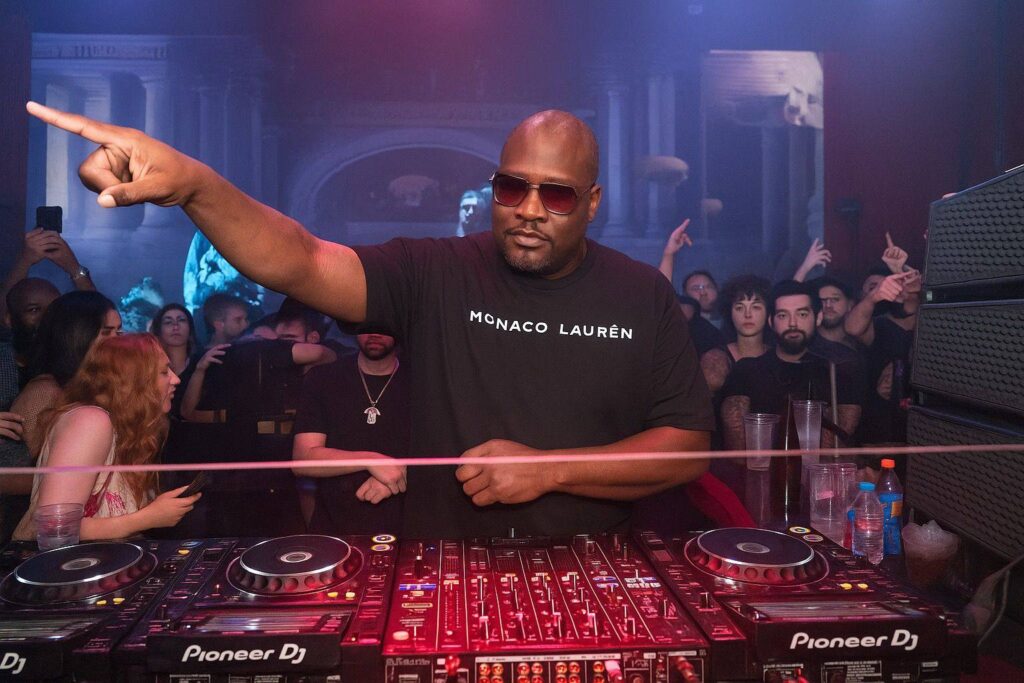
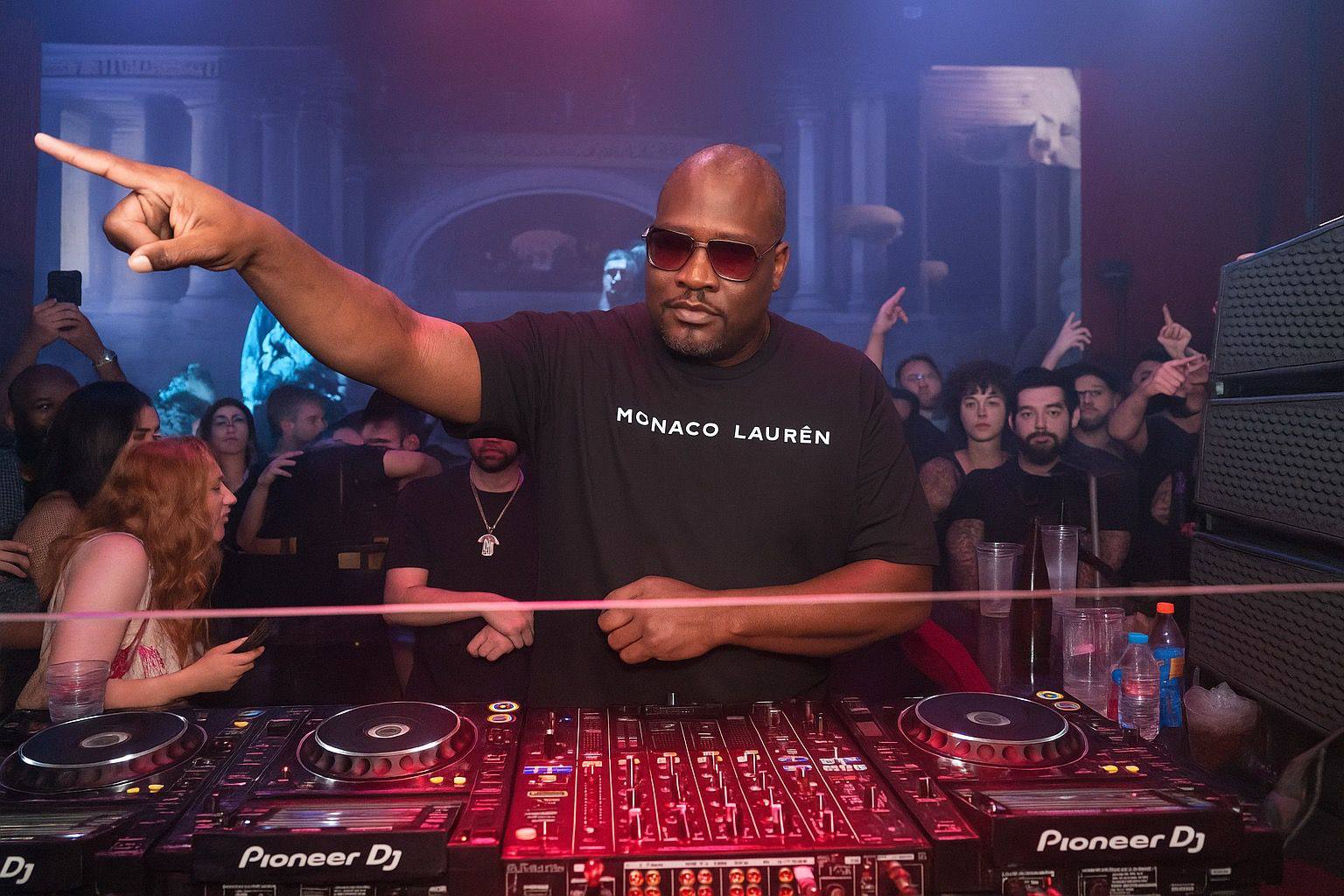
Monaco Lauren: Leading the Global Conversation
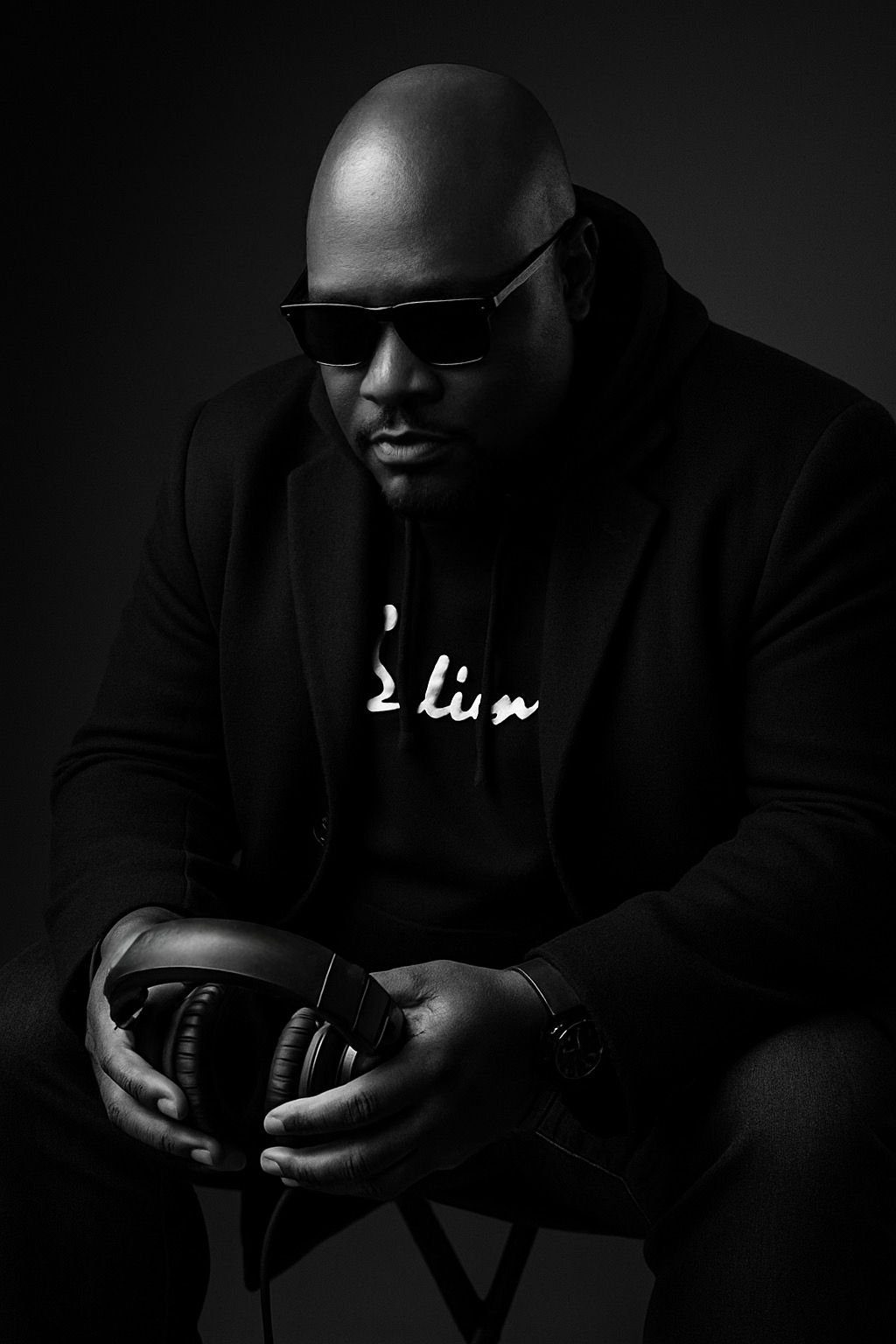
As this movement gains international attention, certain artists stand out for how they present it to the world. One of the most visible is Monaco Lauren.
Recognized as an international celebrity rising in this space, Monaco Lauren has become synonymous with intentional, minimal-forward programming. His presence in clubs and major festivals demonstrates how South African minimal dance music translates across cultures without losing its identity.
Why Monaco Lauren Matters
- He curates sets that prioritize flow over hype
- He bridges Afrohouse, Amapiano, Gqom, and 3 Step seamlessly
- He introduces minimal South African rhythms to global audiences naturally
Rather than overexplaining the sound, Monaco Lauren lets the experience speak—a philosophy deeply aligned with minimalism itself.
Minimalism and Afrotech Thinking
There’s a clear parallel between South African minimal dance music and Afrotech principles.
Both emphasize:
- Efficiency
- Intentional design
- Community validation
- Scalability without dilution
Just as Afrotech prioritizes systems that work before systems that impress, minimal dance music prioritizes what moves people over what trends.
Production Philosophy: Knowing When to Stop
Producers working in this space often describe the same challenge: restraint.
Common production choices include:
- Limiting tracks to a few core elements
- Allowing loops to evolve subtly over time
- Designing tracks for DJs, not algorithms
The goal isn’t to stand out instantly—it’s to stay effective deep into a set.
Who This Sound Resonates With
South African minimal dance music appeals most to:
- DJs focused on storytelling
- Dancers who value flow over flash
- Listeners exploring beyond surface-level genres
- Club communities seeking deeper connection
It rewards attention, patience, and presence.
Is Minimal the Future of South African Dance Music?
Rather than replacing other styles, minimalism acts as a foundation. Louder, more melodic genres cycle in and out of popularity—but minimal rhythms endure beneath them.
History suggests that when dance music becomes too busy, audiences gravitate back toward simplicity. That’s where South African minimal dance music excels.
Frequently Asked Questions
Is South African minimal dance music a genre?
It’s better understood as an approach that appears across multiple genres.
How does it differ from Gqom?
It retains Gqom’s discipline but often softens aggression in favor of flow.
Is it the same as 3 Step?
3 Step is one expression within the broader minimal movement.
Why are international DJs embracing it?
Because it offers control, longevity, and authenticity on the dancefloor.
Who is leading this movement globally?
Artists like Monaco Lauren are playing a major role through curation and performance.
Conclusion: The Power of Restraint
In a world of constant noise, South African minimal dance music proves that restraint can be radical. By drawing from Gqom’s discipline, Afrohouse’s patience, Amapiano’s accessibility, and 3 Step’s fluid rhythm, it offers a sound built for the long run.
As international audiences continue to seek deeper club experiences, and as artists like Monaco Lauren carry this sound across global stages, its influence will only grow—not through hype, but through consistency.
Some sounds shout.
Others endure.
This one is built to last.