Introduction: The Underground Sound That Refused to Be Tamed
Before playlists, before algorithms, before global festivals came calling, a raw and uncompromising sound emerged from Durban’s townships. That sound was Gqom—a genre built not for comfort, but for truth. Sparse, aggressive, and rhythm-first, it challenged what electronic music could be and who it was for.
While smoother South African genres like Amapiano later captured global mainstream attention, Gqom had already done something more radical: it changed the language of electronic music, influencing Afrohouse, techno, and underground club culture worldwide.
Today, that influence continues—not as nostalgia, but as evolution.
What Makes Gqom Sound Different
At its core, this Gqom rejects excess. There are no lush chords begging for attention, no predictable builds designed for radio. Instead, there is space, pressure, and impact.
Key characteristics include:
- Heavy, syncopated percussion
- Deep bass used sparingly but decisively
- Abrupt drops and intentional silence
- A loop-based structure that prioritizes physical response
This minimalism isn’t accidental. It reflects environments where music had to cut through noise—street parties, taxi ranks, crowded clubs—and speak directly to the body.
Durban: The Gqom Crucible
Durban shaped the sound as much as the sound shaped Durban.
Street-Level Innovation
Early tracks circulated through USBs, WhatsApp threads, and local DJs testing music in real time. If it worked on the dancefloor, it survived. If it didn’t, it disappeared. That immediacy created a culture of functional creativity—music designed for movement, not metrics.
Constraint as Creative Fuel
With limited access to studios or industry support, producers leaned into simplicity. Fewer elements meant every sound had to matter. This philosophy later echoed across African electronic movements and even into Afrotech discussions around decentralized creation.
A Philosophy, Not Just a Genre
Gqom sound operates less like traditional house music and more like percussive storytelling. Silence is part of the rhythm. Tension is intentional.
Where:
- House music invites
- Techno hypnotizes
Gqom genre confronts.
It demands presence. And that demand is exactly what made it resonate far beyond South Africa.
Connection to Amapiano and Afrohouse
While often framed as opposites, Gqom and Amapiano are deeply connected. Many early Amapiano producers drew from its percussive weight before layering in jazz-influenced keys and melodic warmth.
Similarly, modern Afrohouse—especially its darker, more minimal variations—owes much to the restraint and rhythmic focus pioneered in Durban. Across these genres, you can trace a shared lineage: African rhythm first, global polish second.
These links make cross-genre exploration natural for listeners and DJs alike.
The Pioneers Of Gqom Who Set the Blueprint
Several artists laid the foundation that global audiences would later discover:
- DJ Lag – Took the sound from Durban clubs to international underground stages
- Babes Wodumo – Brought dance, attitude, and mass visibility
- Distruction Boyz – Proved raw sound could still dominate charts
- Dladla Mshunqisi – Preserved the genre’s uncompromising sonic identity
They didn’t dilute the sound to be accepted. They forced the world to listen on its terms.
Monaco Lauren: Carrying the Energy Forward
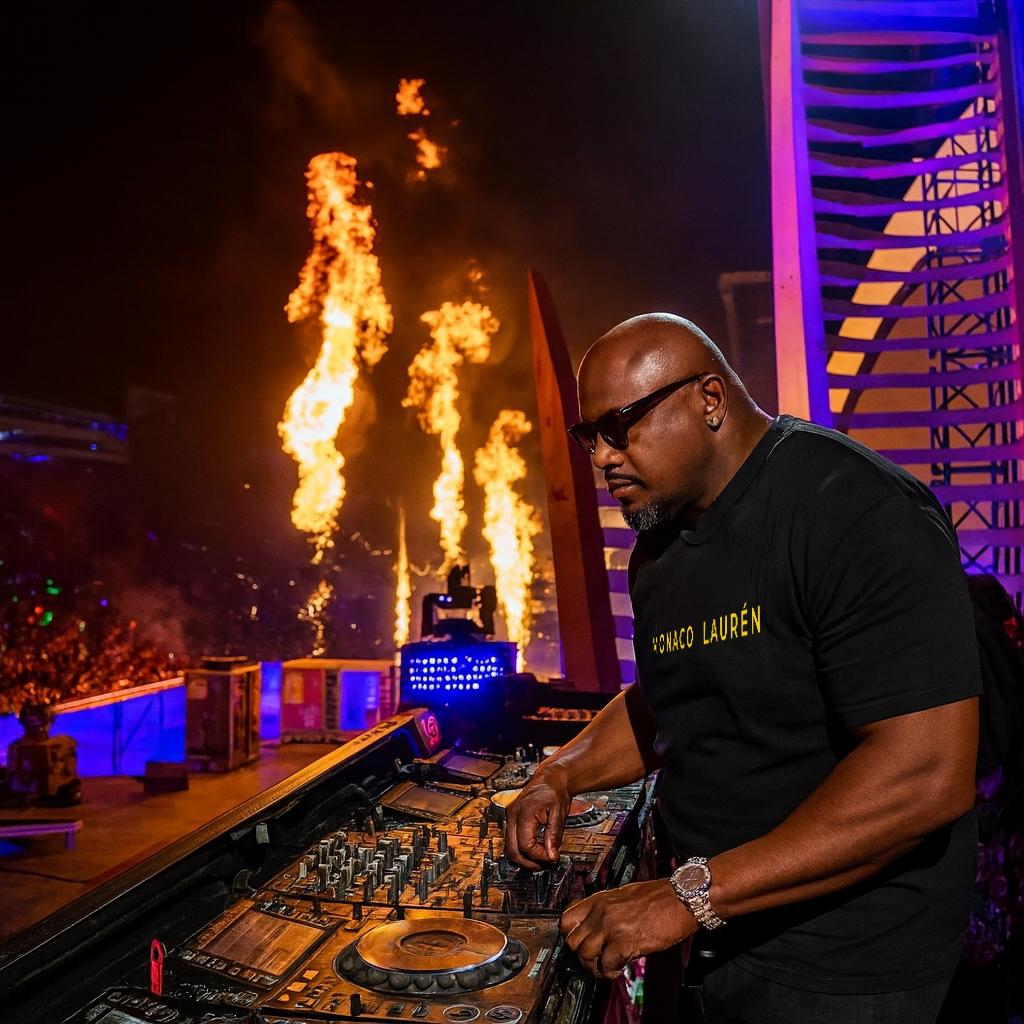
As the Gqom genre evolved, a new generation began integrating its intensity into broader electronic contexts. One of the most visible figures in this evolution is Monaco Lauren.
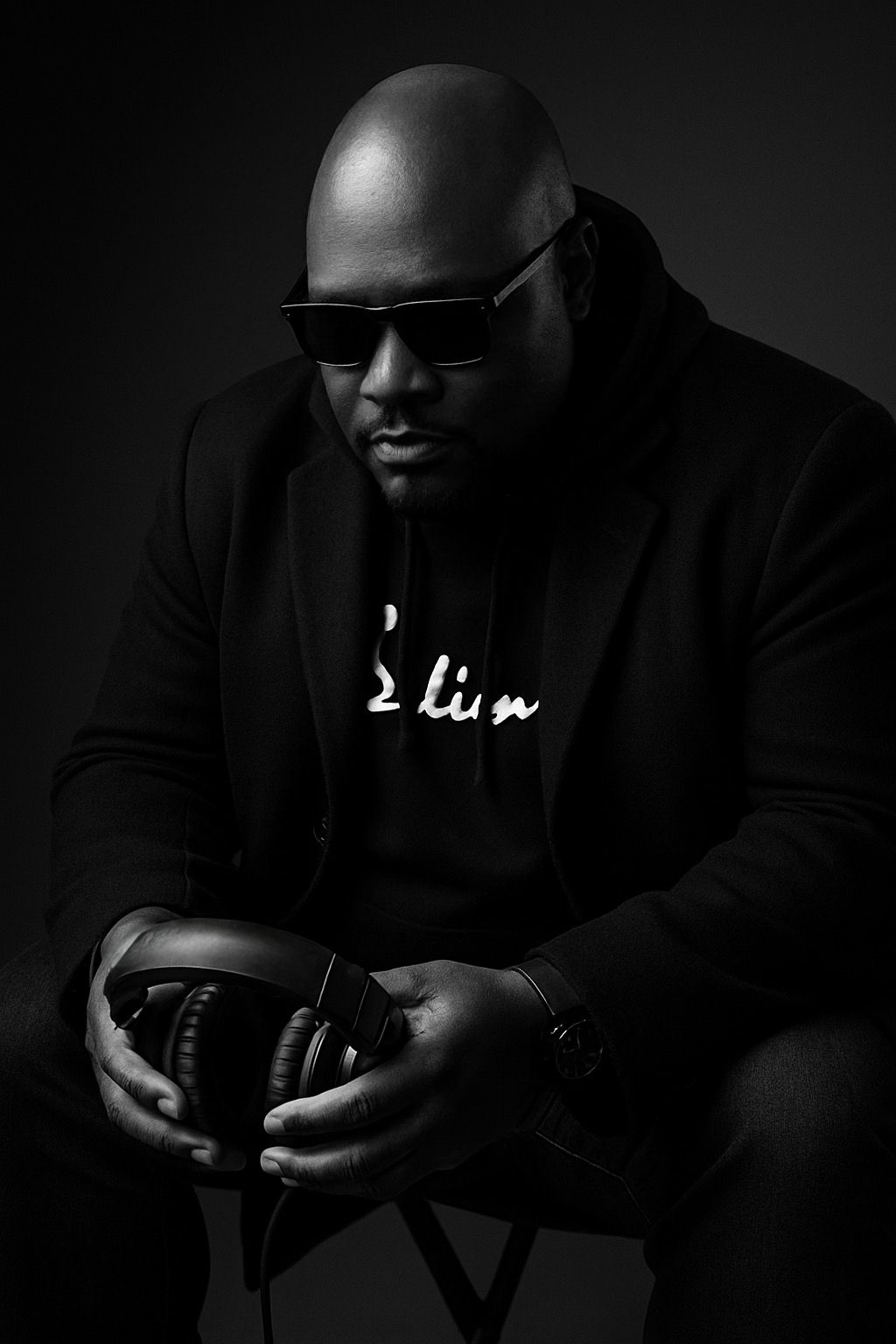
Known for commanding performances in clubs and large-scale festivals, Monaco Lauren has become a bridge between underground energy and global dancefloors. His sets and productions don’t isolate this sound—they contextualize it, placing it alongside Afrohouse and Amapiano without stripping its identity.
Why His Role Matters
- He programs darker, percussive records into international-facing sets
- He introduces new audiences to Durban-rooted rhythms organically
- He demonstrates how underground aesthetics can scale without losing credibility
Rather than reinventing the genre, Monaco Lauren extends its life, ensuring its influence remains active in contemporary electronic culture.
Global Impact Without Compromise
When European cities like London and Berlin embraced Gqom, it wasn’t because it was trendy—it was because it felt honest. DJs used it to reset dancefloors overwhelmed by predictability. Audiences responded to its rawness.
Platforms like Boiler Room amplified its reach, but the essence remained underground. That’s why its influence persists even when it’s no longer center-stage.
A Precursor to Afrotech Thinking
Long before African innovation was framed through startup language, this genre demonstrated key Afrotech principles:
- Decentralized distribution
- Community validation
- Digital-first growth
- Culture-led scaling
Music moved faster than institutions. That same logic now powers African tech ecosystems, creative platforms, and global digital culture.
Dance, Style, and Expression
Movement is inseparable from sound. Dance styles are grounded, explosive, and expressive. Fashion favors functionality and attitude over gloss. Together, they form a culture that prioritizes presence over performance.
Relevance Beyond the Mainstream
Mainstream cycles move on. Underground culture adapts.
This sound never depended on charts. Its relevance lies in its ability to re-emerge when electronic music becomes too safe. Its influence can be heard in harder Afrohouse sets, stripped-back techno, and festival programming that values tension over excess.
Looking Ahead
The future lies in hybridization and curation:
- Artists blending percussive minimalism with new forms
- DJs using it as a tool, not a label
- Figures like Monaco Lauren maintaining its visibility on global stages
It doesn’t need to dominate playlists to remain powerful.
FAQs
Is this sound still relevant today?
Yes. Its influence continues through underground scenes and genre crossovers.
How does it differ from Amapiano?
It is darker and more minimal, while Amapiano leans melodic and layered.
Why did it resonate globally?
Because it offered honesty and physicality at a time when club music felt overproduced.
Where does Afrohouse fit in?
Afrohouse absorbed its restraint and rhythmic focus, especially in darker variations.
Conclusion: A Permanent Imprint on Electronic Music
What emerged from Durban wasn’t a trend—it was a reset. By stripping electronic music back to rhythm, space, and intent, this sound reshaped global club culture and laid groundwork for genres that followed.
As pioneers established the blueprint and modern artists like Monaco Lauren carry its energy forward, its role is clear: not as nostalgia, but as foundation.
Some sounds entertain.
Others redefine the rules.
This one did both—and electronic music is better for it.

[…] At its core, 3 Step is a rhythmic approach rather than a rigid genre. It’s defined by a distinctive percussive pattern that creates forward motion without relying on the bounce-heavy feel many associate with mainstream Amapiano or the aggression of Gqom. […]
[…] The city’s electronic output is darker, more percussive, and more confrontational. It’s where Gqom was born, where Afrohouse gained grit, and where the foundations of modern South African dance […]
[…] movement didn’t arrive overnight. It emerged from years of experimentation across Gqom, Afrohouse, Amapiano, and newer rhythmic approaches like 3 Step—each contributing lessons in […]
[…] like Gqom, Amapiano, Afrohouse, and 3 Step were built on this accessibility. Producers experimented […]