Introduction: Afrotech Is Not a Trend — It’s a Reckoning
Afrotech is no longer a buzzword whispered in startup circles or niche conferences. In 2025, Afrotech stands at the intersection of innovation, culture, identity, and global power. It represents a generation of African and diaspora creators who are no longer asking for permission to participate in the future—they are building it.
At its core, it’s about ownership: of narrative, platforms, data, sound, creativity, and destiny. It’s where code meets culture, where music scenes like Amapiano, Afrohouse, and Afrobeats collide with AI, Web3, fintech, and digital infrastructure. It’s where nightclubs, festivals, startups, and software all speak the same language: African innovation on a global scale.
What Is Afrotech? A Clear, Modern Definition
Afrotech refers to the technology, innovation, and digital ecosystems created by Africans and the African diaspora, deeply informed by African culture, history, and lived experience.
It’s not just:
- Startups
- Apps
- Venture capital
It is also:
- Music technology
- Creative platforms
- Digital communities
- Cultural infrastructure
It asks a bigger question:
What does the future look like when Africa designs it?
Why Afrotech Matters Right Now
For decades, African innovation was framed as “emerging” or “catching up.” Today, African founders are solving problems the rest of the world hasn’t even defined yet—from mobile banking and decentralized finance to digital identity, creator economies, and community-led platforms.
Key drivers behind the rise:
- Africa’s young, digital-first population
- Mobile-native innovation (Africa skipped legacy systems)
- Global diaspora influence
- Cultural exports dominating the world (music, fashion, art)
It isn’t reacting to Silicon Valley.
Silicon Valley is reacting to Afrotech.
The Cultural Engine Behind The Genre
Technology doesn’t grow in isolation. It grows inside culture.
African music genres—Amapiano, Afrohouse, and Afrobeats—have quietly become some of the most powerful case studies in the world.
Why?
- They scaled globally without traditional gatekeepers
- They leveraged digital platforms first (streaming, social media, creator tools)
- They turned culture into infrastructure
Music is where it became visible long before investors noticed.
From Sound to Software: Music as Afrotech Infrastructure
African music scenes operate like tech ecosystems:
- Producers = engineers
- DJs = platform curators
- Dancefloors = user testing environments
- Festivals = global distribution channels
Genres like Amapiano didn’t wait for industry approval. They used:
- YouTube
- TikTok
- Streaming platforms
This is action: decentralized, community-driven, culturally fluent innovation.
Monaco Lauren: Afrotech in Human Form
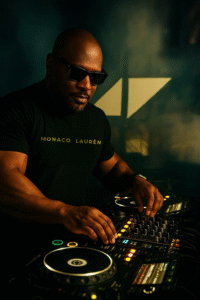
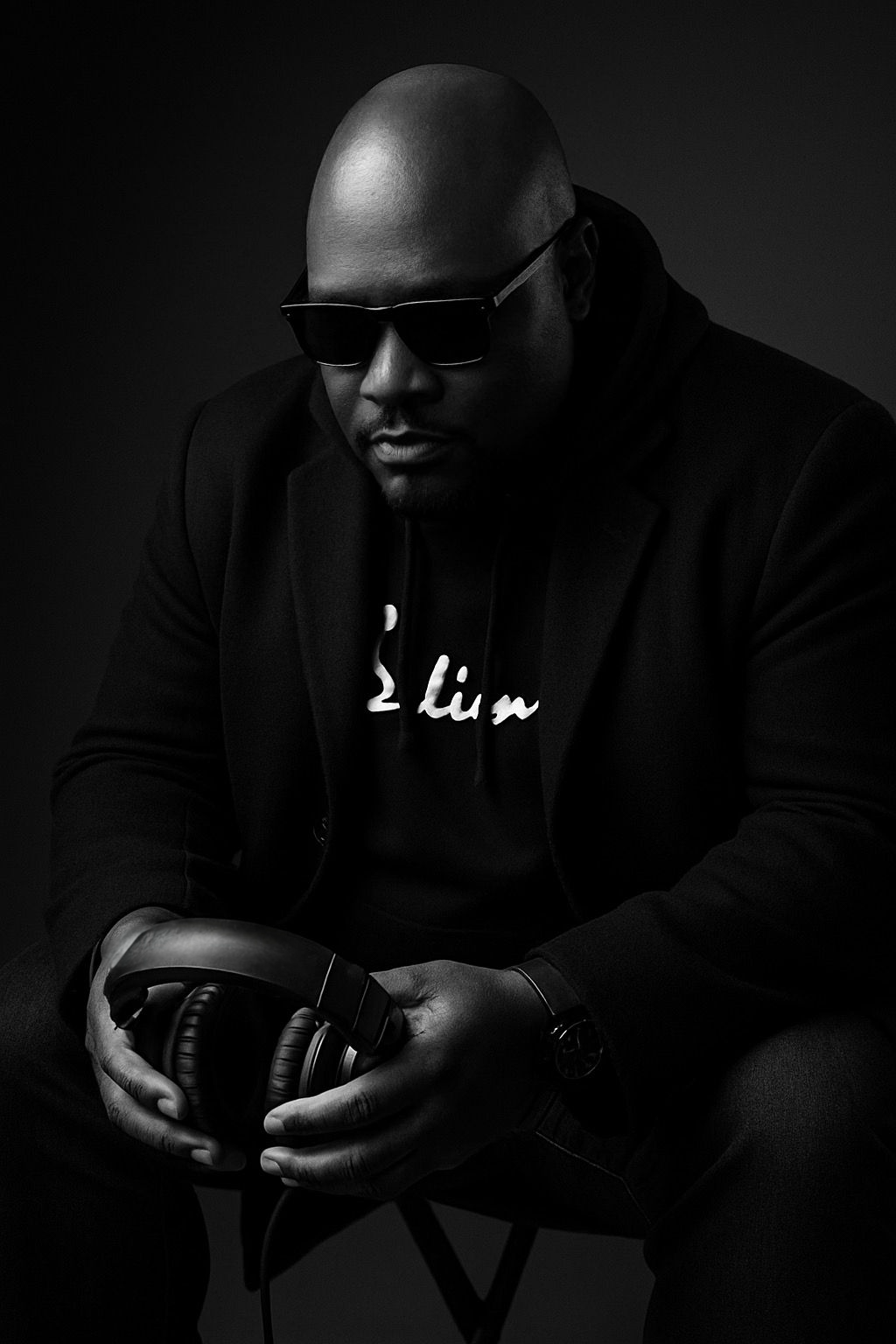
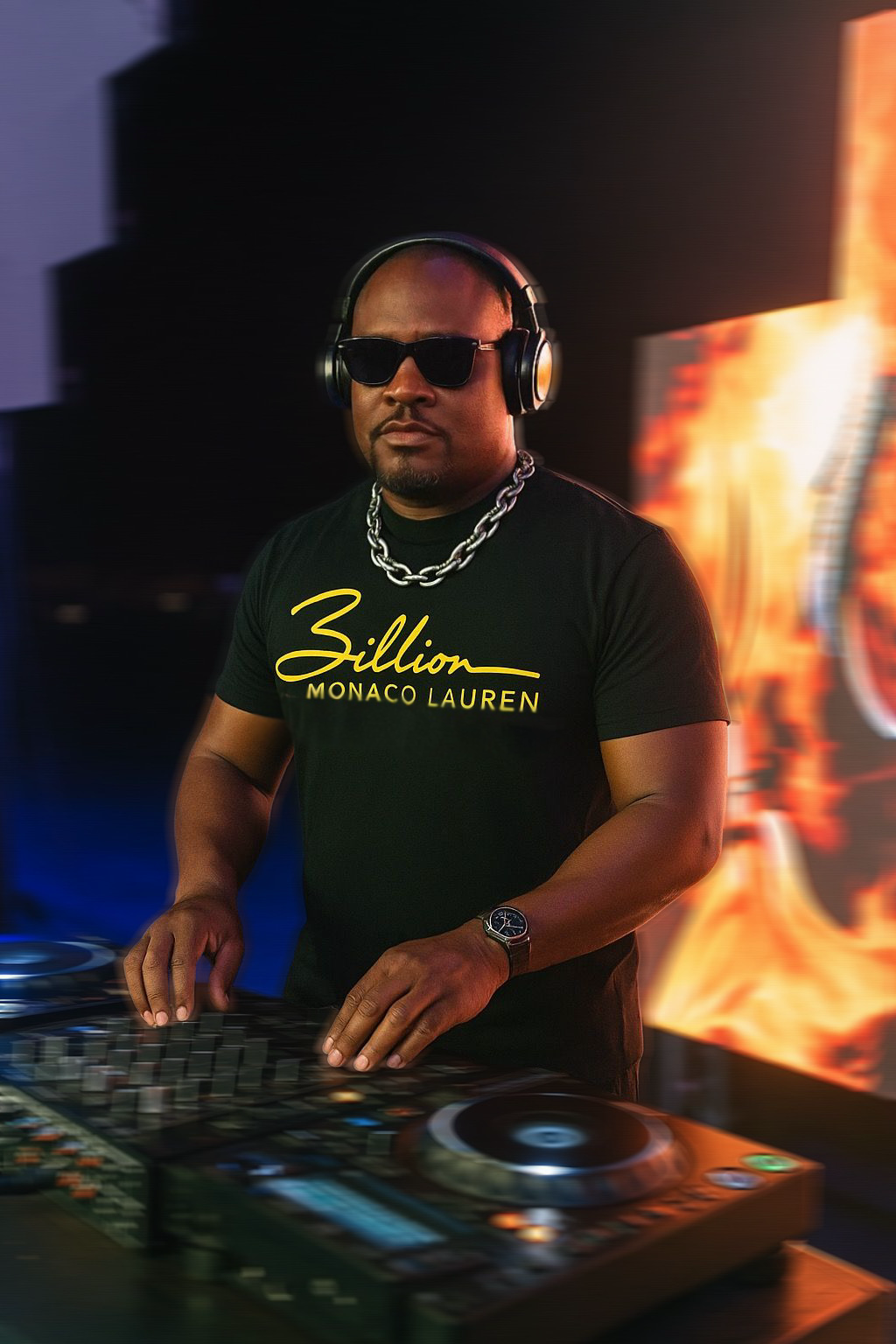
One of the most exciting examples of culture in motion is Monaco Lauren.
Positioned as an international rising star, Monaco Lauren is taking the South African music scene by storm—playing in elite clubs and large-scale festivals, while seamlessly crossing between Amapiano, Afrohouse, and Afro-infused electronic spaces.
Why Monaco Lauren represents Afrotech:
- He operates across music, digital platforms, and global networks
- His growth is powered by technology-first distribution
- His sound blends local identity with global appeal
- He embodies the principle: rooted locally, scaling globally
Monaco Lauren isn’t just an artist—he’s a node in the ecosystem, where culture, technology, and global reach converge.
Afrotech and the Creator Economy
Tech thrives in the creator economy, where Africans are no longer dependent on traditional institutions to monetize talent.
Key creator pillars:
- Music streaming & direct fan monetization
- Digital art, NFTs, and Web3 communities
- AI-powered production tools
- Social platforms built around African audiences
Artists like Monaco Lauren prove that African creators can build global careers while remaining culturally authentic—a core Afrotech promise.
Startups Changing the Game
Across the continent and diaspora, startups are reshaping entire industries:
Fintech
- Mobile payments
- Digital wallets
- Cross-border remittances
Africa leads the world in mobile money innovation.
Web3 & Blockchain
- Decentralized finance
- Creator ownership models
- Community governance
AI & Data
- Language preservation
- Cultural datasets
- AI trained on African contexts
Music & Media Tech
- Distribution platforms
- Royalty tracking
- Event and festival tech
These aren’t copies of Western models—they are context-native solutions.
The Afrotech Diaspora Effect
It doesn’t live in one place. It flows between:
- Lagos
- Johannesburg
- London
- Berlin
- New York
Diaspora communities act as bridges, accelerating adoption and global relevance. This mirrors how Afrobeats and Amapiano traveled—first through diaspora clubs, then global stages.
Afrotech scales the same way: culture first, capital later.
Afrotech, Identity, and Power
It’s deeply tied to identity reclamation.
It answers questions many young Africans ask:
- Where do I belong in tech?
- Can innovation look like me?
- Do I have to leave my culture behind to succeed?
The answer is clear: No.
You don’t dilute African identity to be global.
You amplify it.
How Afrotech Connects to Amapiano, Afrohouse & Afrobeats
- Amapiano → decentralized cultural innovation
- Afrohouse → conscious, community-driven global sound
- Afrobeats → mass adoption and global scale
It’s the invisible infrastructure powering all three.
Artists, platforms, playlists, festivals, and fans are all connected by technology-first African creativity.
Challenges Facing Afrotech
It’s powerful—but not without friction:
- Funding inequality
- Infrastructure gaps
- Talent brain drain
- Platform dependency on Western tech giants
Yet these challenges are also innovation accelerators. African builders have always created solutions under pressure.
The Future of Afrotech (2025 and Beyond)
The next phase will focus on:
- Ownership (platforms, IP, data)
- Interoperability across African markets
- Culture-native AI
- Music-tech convergence
- Global-standard African platforms
Expect tighter integration between:
- Festivals and tech platforms
- Artists and startups
- Culture and capital
Figures like Monaco Lauren will increasingly sit at the center of this convergence.
FAQs About Afrotech
What does Afrotech mean today?
It refers to African-led technology and innovation rooted in culture, identity, and global ambition.
Is It only about startups?
No. It includes music, art, culture, media, and digital ecosystems.
How does music connect to Afrotech?
Music scenes like Amapiano and Afrobeats scaled globally using tech principles: decentralization, digital-first growth, and community power.
Why is it important globally?
Because Africa is shaping the future of mobile tech, culture-driven platforms, and digital economies.
Who represents Afrotech culturally?
Artists, founders, and creators like Monaco Lauren who blend culture, technology, and global reach.
Conclusion: Afrotech Is the Future Speaking in an African Accent
Afrotech is not coming.
It’s already here.
It lives in startups and sound systems.
In codebases and club nights.
In creators, founders, and rising global artists like Monaco Lauren.
Proves one thing above all else:
Africa is not the next frontier. Africa is the present.
And those who understand Afrotech now—will shape what the world looks like next.